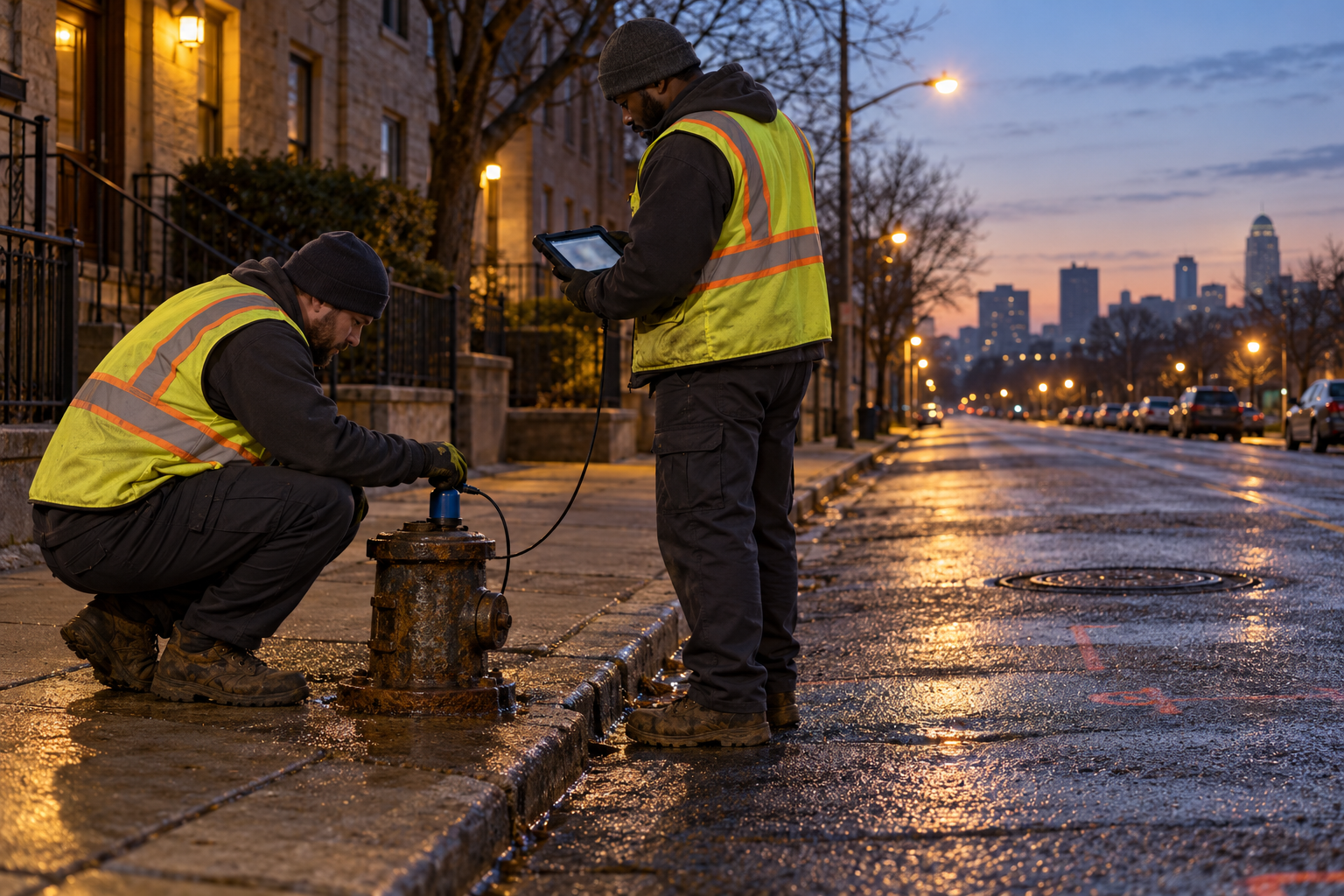
How a city finds a hidden water leak
A hidden water-main leak is found by narrowing the question: audit the missing water, meter a district, listen along a likely pipe, and test the answer in the field.
About the author
I write about the public systems that make ordinary days possible. My work follows water, materials and maintenance through networks that usually attract attention only when something fails.
I build each essay around a concrete question, read the underlying sources and separate observed results from interpretation. I want the details to remain clear enough that a reader can follow the argument and examine the evidence.
A hidden water-main leak is found by narrowing the question: audit the missing water, meter a district, listen along a likely pipe, and test the answer in the field.
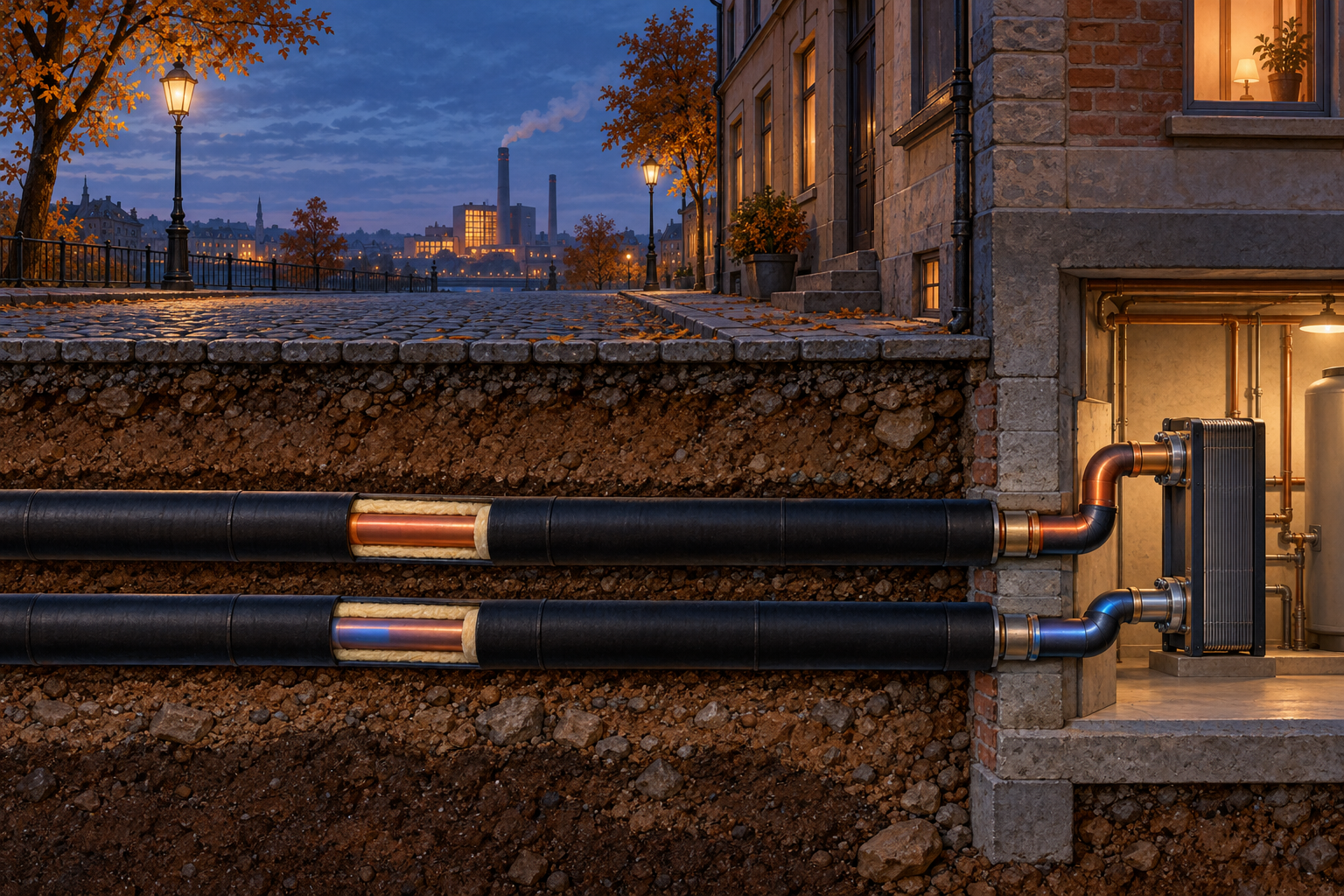
A district heating main carries hot water out and cooler water home. Its work depends on insulation, pressure, room for expansion, and a temperature difference that survives all the way to the customer.
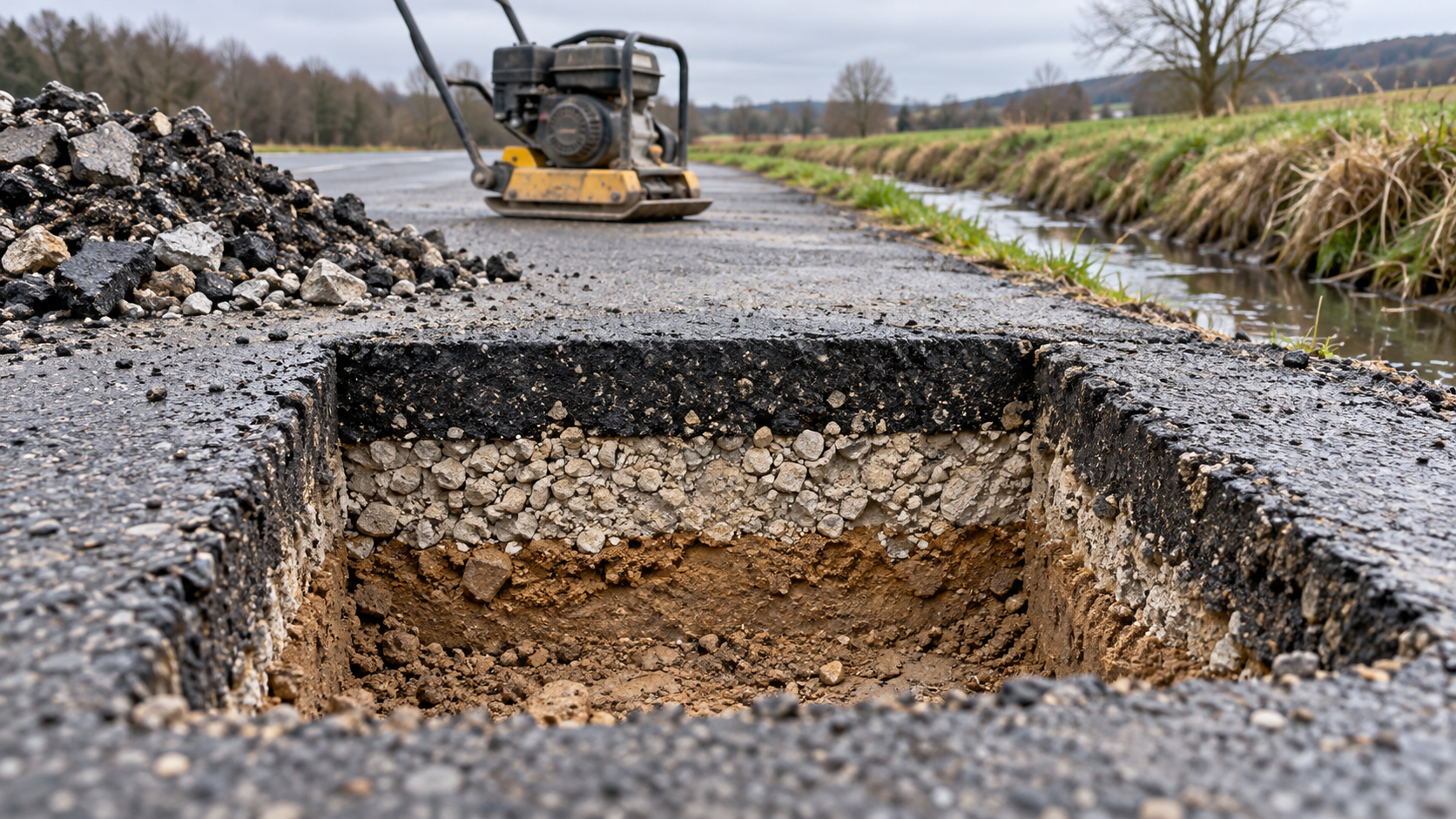
A fresh asphalt patch hides the question that determined its depth: was the damage in the surface, the base, or the wet ground beneath? Reading that evidence is the first part of a lasting repair.
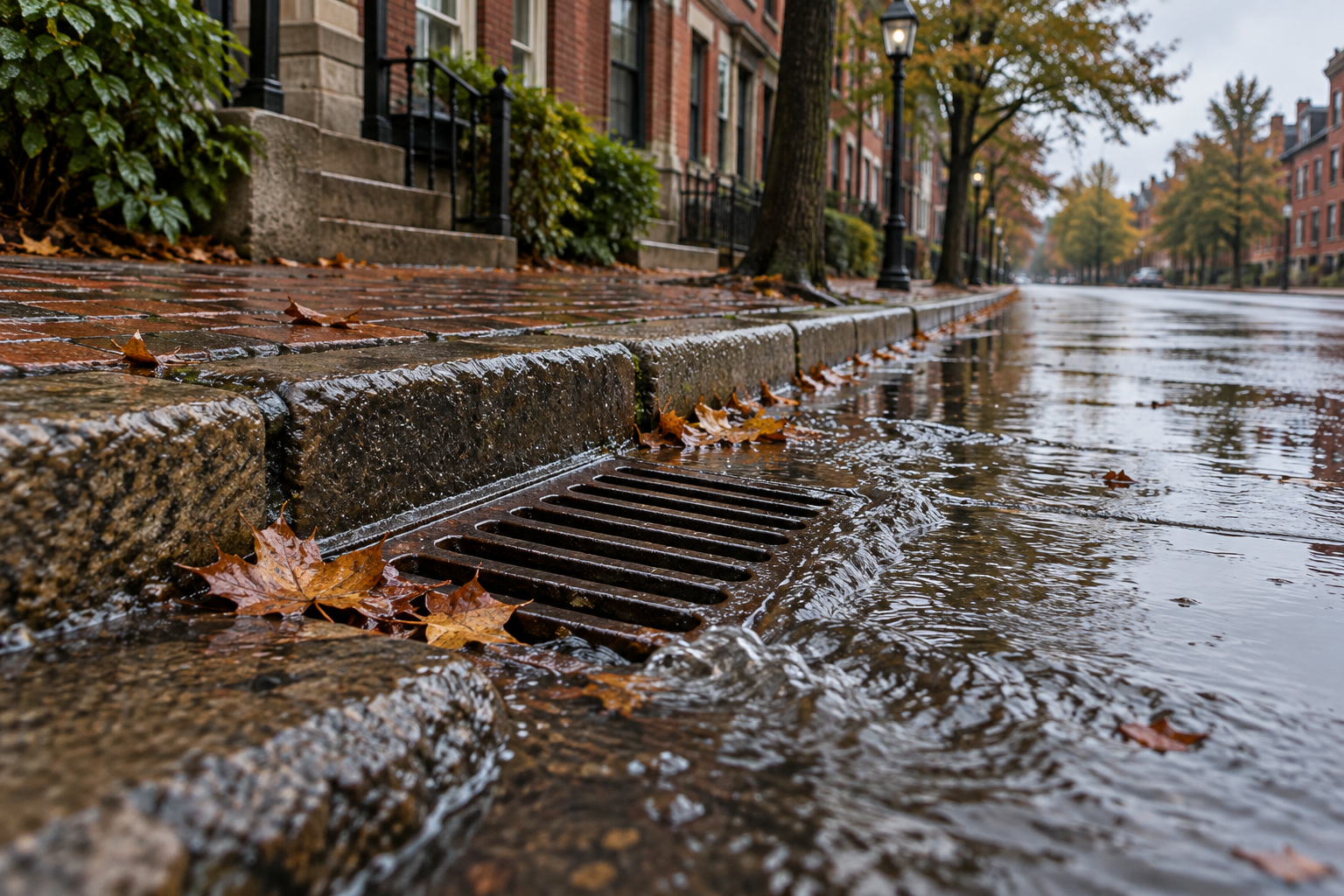
A curb inlet hides a consequential choice: runoff may enter a storm sewer bound for a waterway or join household wastewater in a combined pipe. Rainfall, pipe capacity, and the controls built around them decide what happens next.
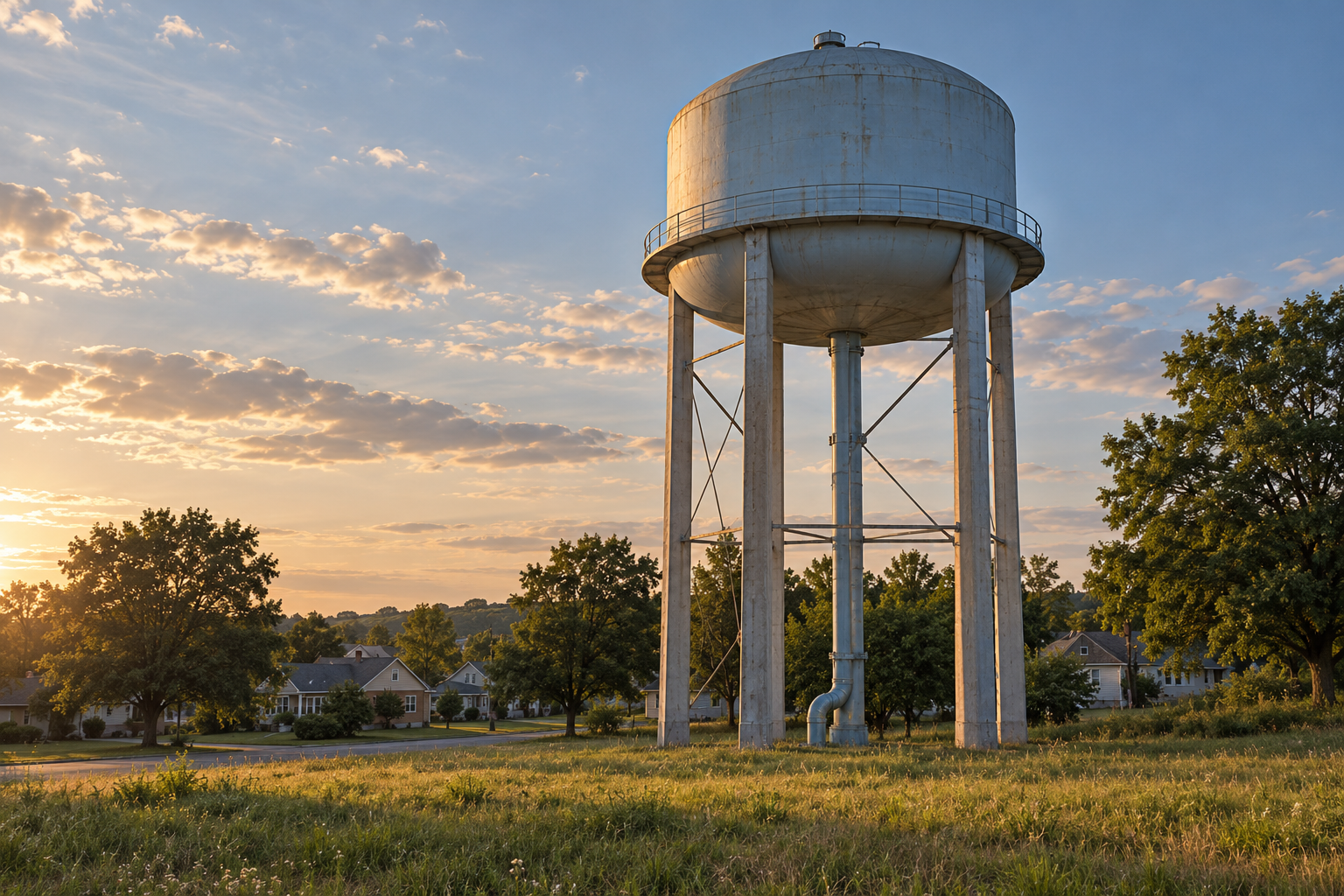
An elevated tank shifts pumping work across the day, supports pressure and keeps a reserve. Its water level and water age set the limits of that usefulness.